Abcdanke · Dialogues
Dialogues – Abcdanke
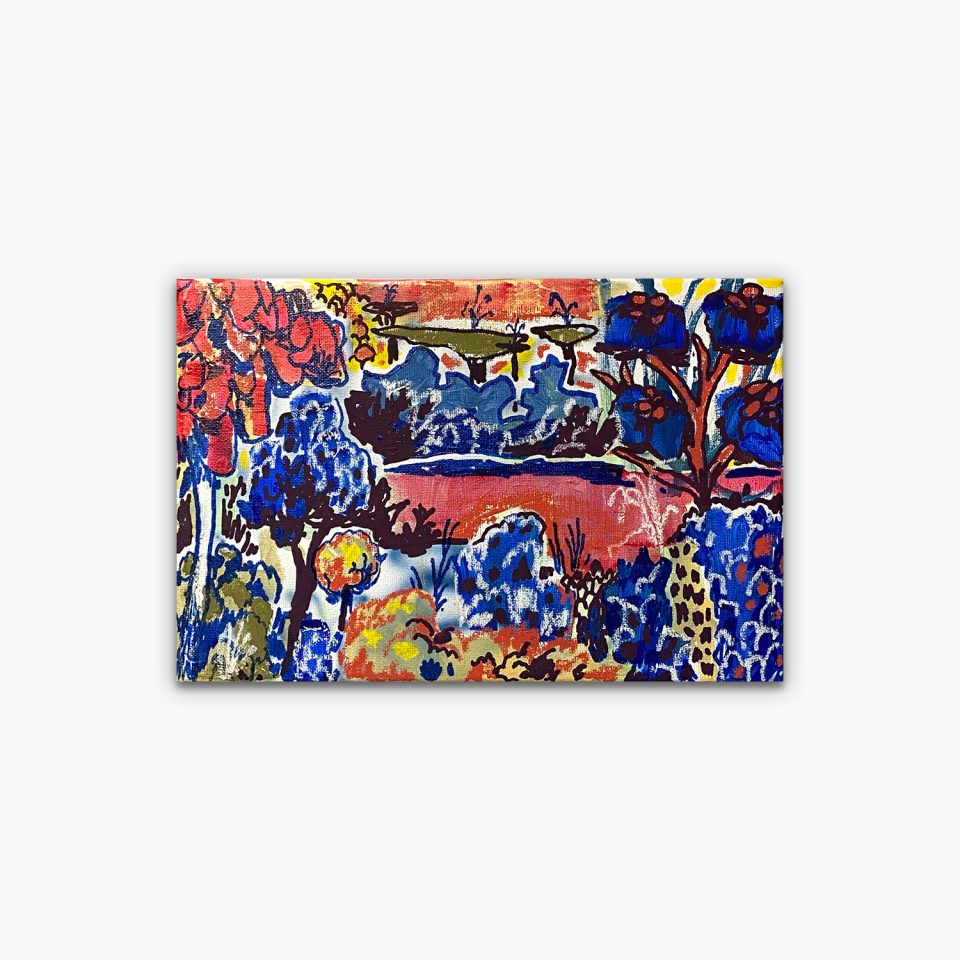
In the new issue of Dialogues, Daniil Abcdanke reveals the intuitive nature of his practice. Working at the intersection of the street environment, reflection and spontaneous visual associations, he sees painting as a way of thinking and an archive of personal experience.
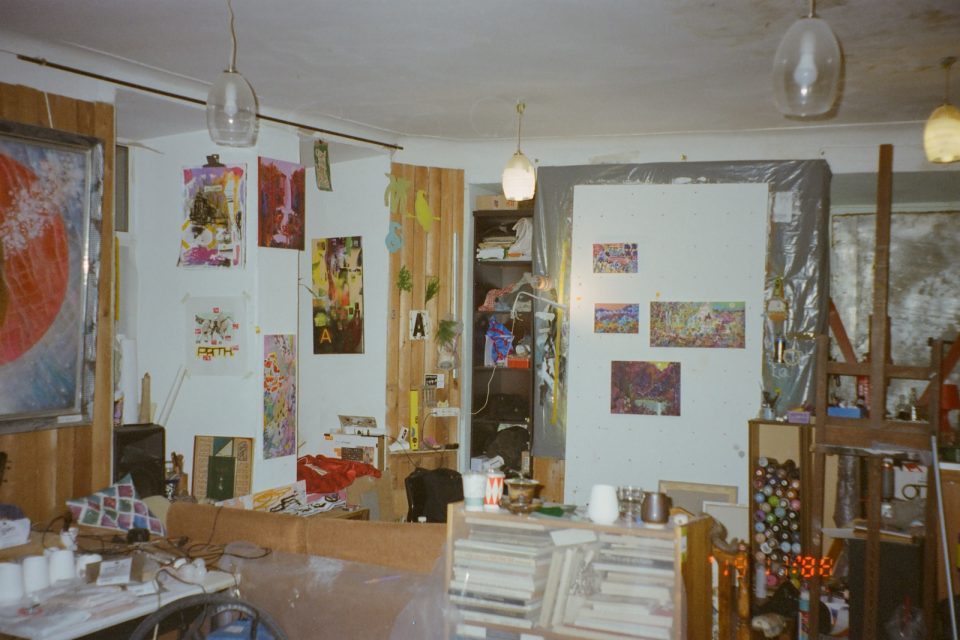
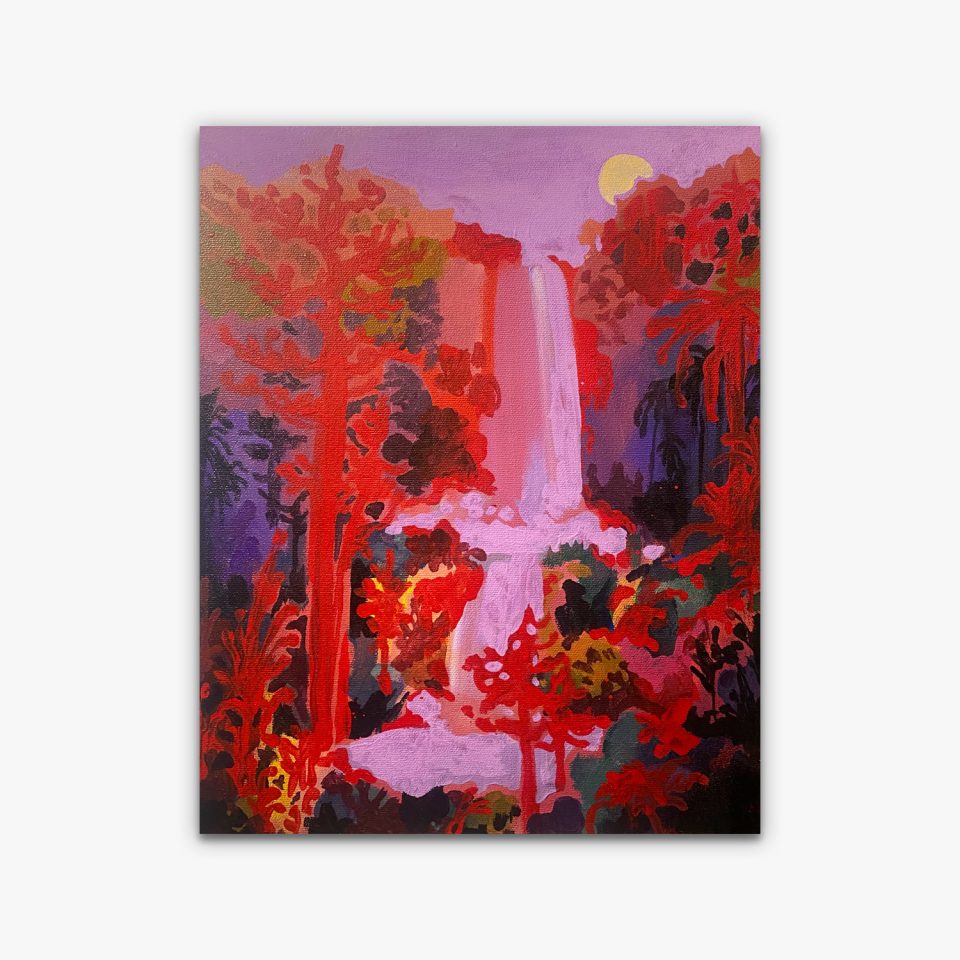
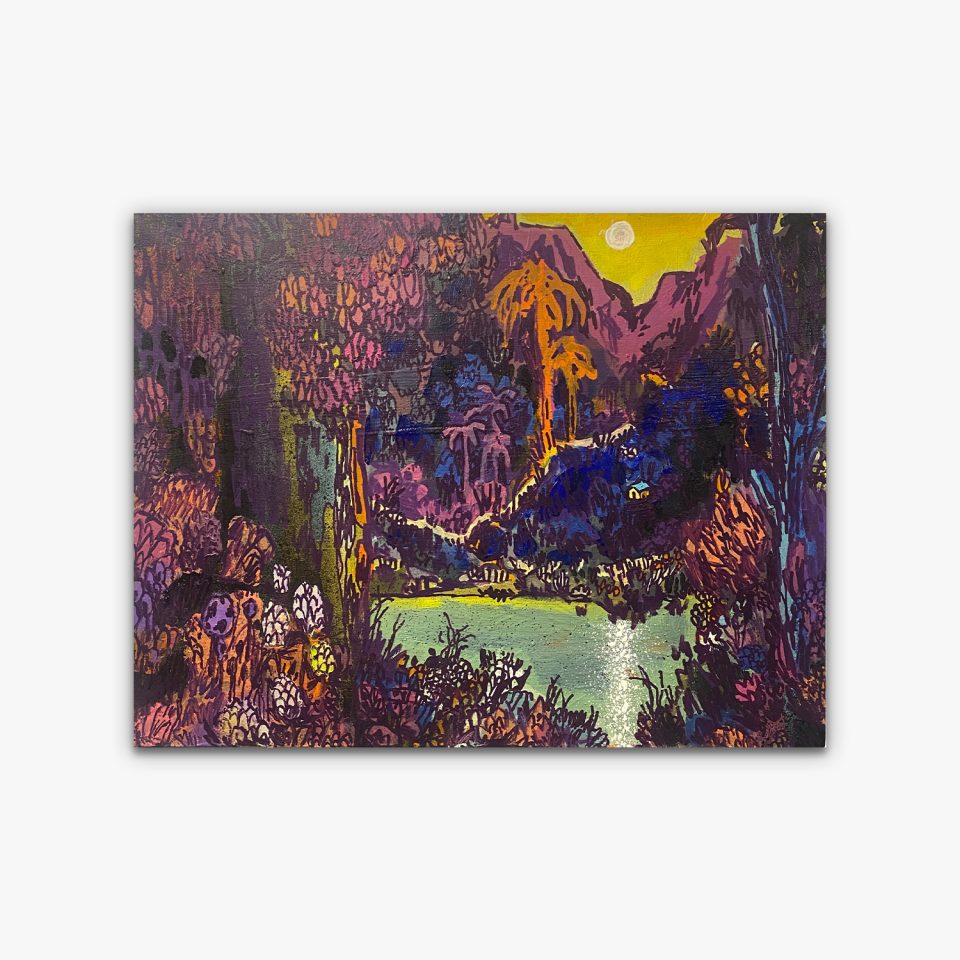
Vecher: At first glance your works leave a feeling of light nostalgia: they recall the opening titles of the TV show In the Animal World, something between reality and a fairy tale, a cartoon. That makes them hard to assign to any single style. How would you describe what you do?
Daniil: Lately I've been working with themes of non-obvious connections, nature and childhood, so the drawings are partly naive and the stories are far from reality. For me, making art is a way of studying life, a visual diary of memories and a way of developing abstract thinking. It's hard to sum up briefly something that has a multi-layered and very personal meaning for you.
V: Who or what influenced this approach?
D: I recently noticed that my creative identity took shape at the meeting point of two cultures: Abkhazia, where I spent part of my childhood and where I draw my primary inspiration, and Moscow, where I grew up and began to develop what I do now.
I think my family played a key role in shaping it, especially in childhood. In particular my mother's sister, an art teacher and several times "teacher of the year". From the day I was born she introduced me to creativity in all its forms: I drew, sculpted, made collages. Probably it's largely thanks to her that I connected my life with this.
V: In your works figuration and abstraction coexist on a fine line. How do you find a balance between these poles?
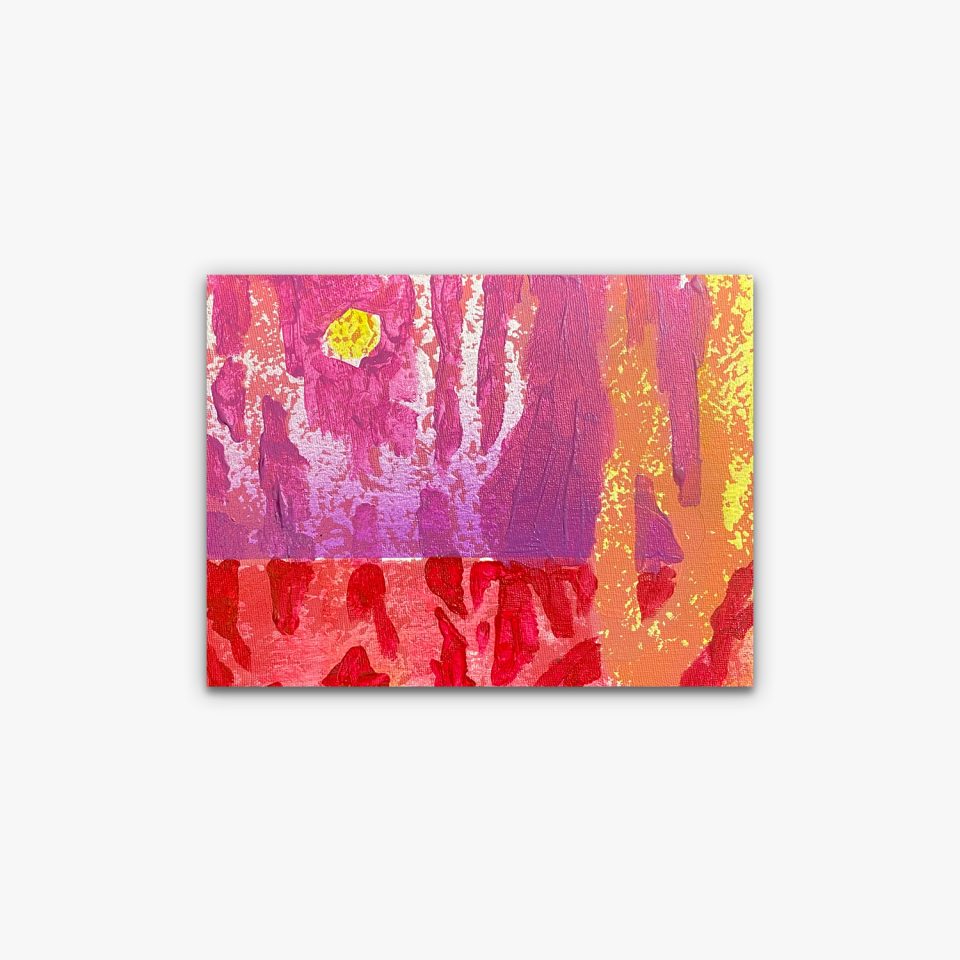
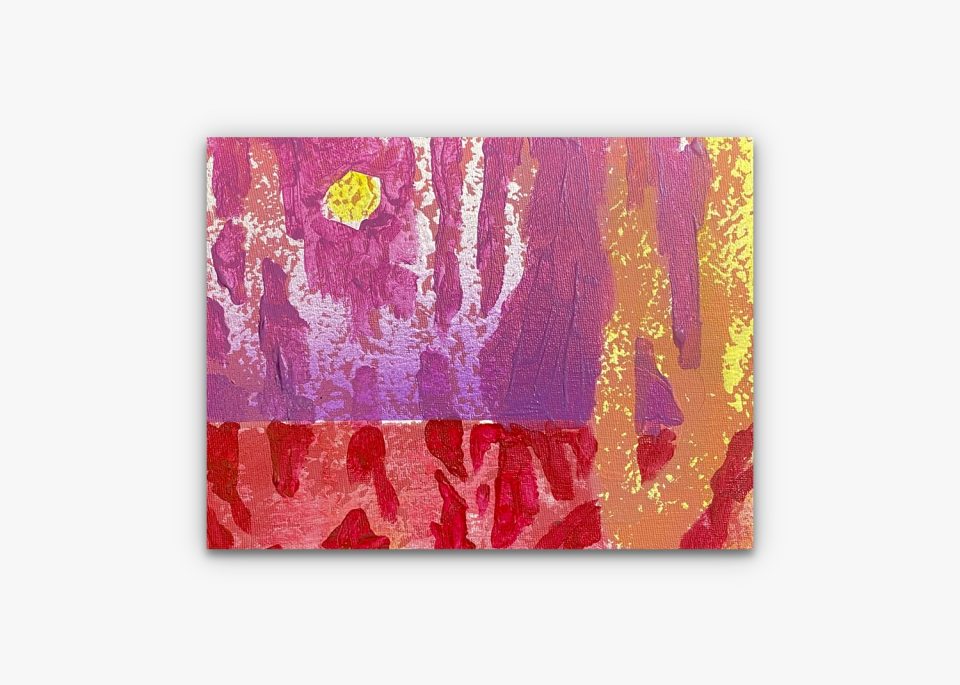
D: The balance isn't perfect: often one side outweighs the other. I build the composition intuitively, using contrasts on different levels: colour, brightness, texture, form. The elements come together like a puzzle of unrelated pieces into a single coherent story, and the balance between figuration and abstraction is adjusted along the way.
V: What has changed in your practice over time, technically and conceptually?
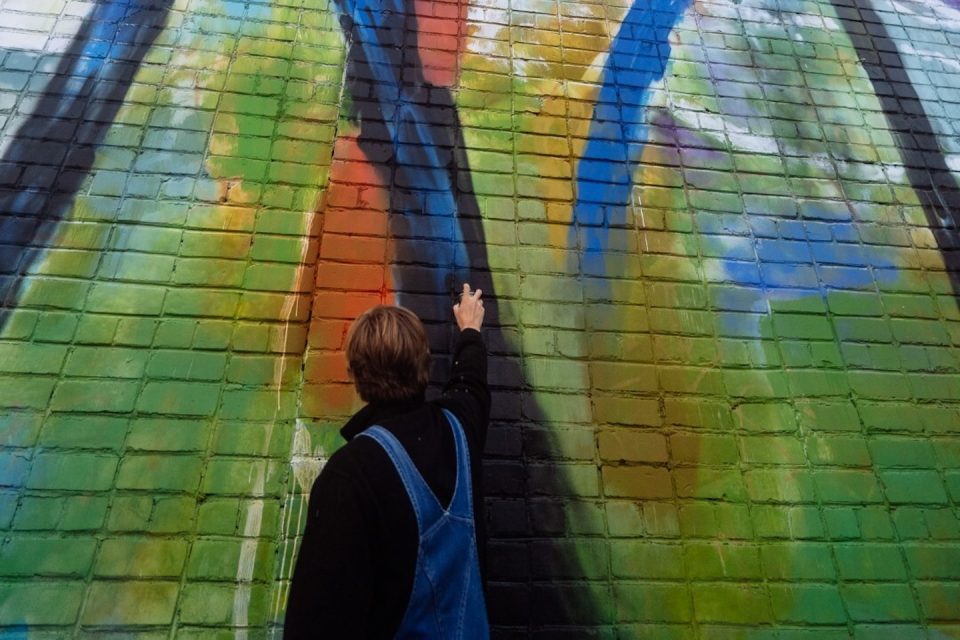
D: If you compare the period from my first drawing on the street to today, at first I painted only letters and only with spray cans. Over time I realised that it's much more interesting for me to combine different techniques and work at the intersection of styles. Now, when I'm about to paint, I take as many materials as I can: acrylics with brushes and rollers, wax crayons, spray paint, sometimes glue and paper. Variety matters to me: I like exploring different methods and then looking at my own works.
I started with classic graffiti, which essentially comes down to the same thing: a name in different designs. After eight to ten years I more and more often wanted to just let loose on a wall: to paint freely, expressively, without thinking. At the time I kept working with lettering, but the urge to create more freely kept coming up on its own, more and more often. Gradually I began to notice images in abstraction and to complete them. These images clung to each other, interacted, and I realised: this is it. That's when my own concept began to take shape. Now I practise the idea of freedom of thought and try to convey it in my drawings. It's important to me that the viewer sees more in my works than just "acid" colours.
V: What trends do you see in street graphics today? What do you like most?
D: It's hard to talk about trends in street graphics: too much is going on. I think a strong focus on trends can get in the way of developing your own language of expression. As for me, my personal "trend" right now is that I've discovered the work of Abkhazian artists and keep reflecting on the essence of that place. Sometimes it shows up in my works.
V: How do you see the role of the contemporary artist in the era of generative graphics and AI?
D: Neural networks are coming in and changing art, but the artist isn't going anywhere. I think everything will blend naturally and develop, as it always has. When photography appeared, many artists probably thought it was the end. It seems to me that roughly the same is happening with AI.
V: Social media: inspiring or distracting? How do you feel their influence on your work?
D: Both. Sometimes it's interesting to see what others are doing, but I noticed long ago that after scrolling through a hundred short videos it's hard to concentrate on anything. So I use social media in small doses, so as not to lose the ability to live productively.
V: Is there music that helps you while you work? Who do you listen to most?
D: I listen to all sorts of things, and it's hard to single anyone out: eurodance, experimental electronics, MTV pop from my childhood. Some music takes me back into memories, some puts me in the mood to create.
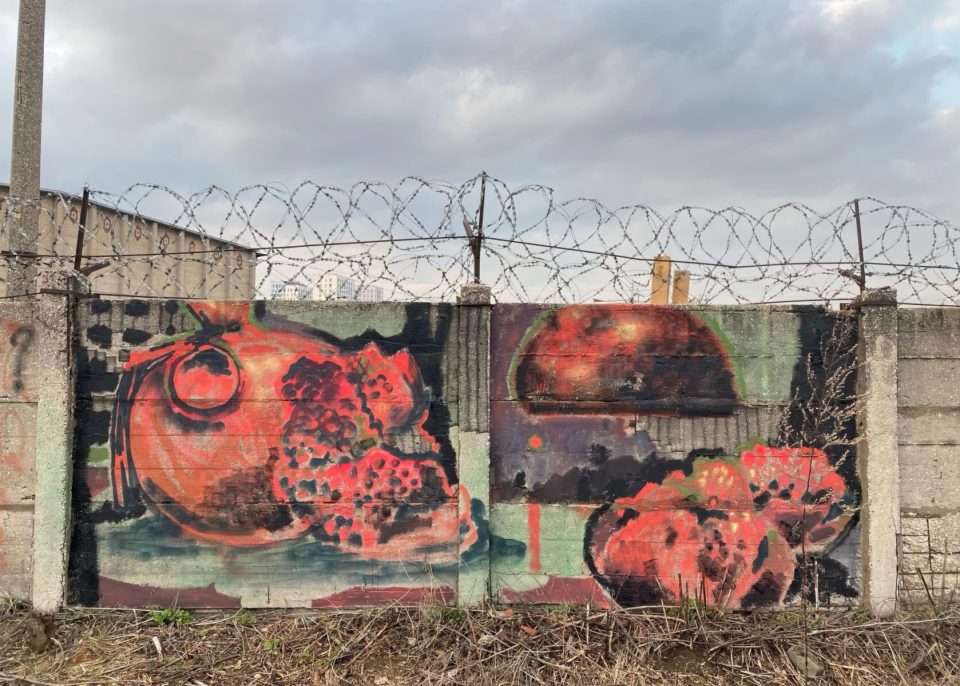
V: The locations where you work resemble a kind of "urban jungle", concrete in the middle of wild nature. What guides you when choosing places?
D: Lately I've been looking for spaces with complex architecture: I'm interested in working not only with a flat surface but with more complex surface shapes. When I find a place, I quickly assess it by many factors: the shape of the object, the surface material, how photogenic it is, visibility, access to the surface, safety. Together this helps me understand how suitable the location is.
V: But can you say that the location itself dictates the rules to you? How does it affect the final result?
D: Yes, of course. Painting on the street is always tied to context: a drawing is inseparable from its environment. It's important to me that the result turns out unexpected, so that it feels as if someone else had made it, not me. The street creates exactly the conditions in which you never fully know what will come out in the end.
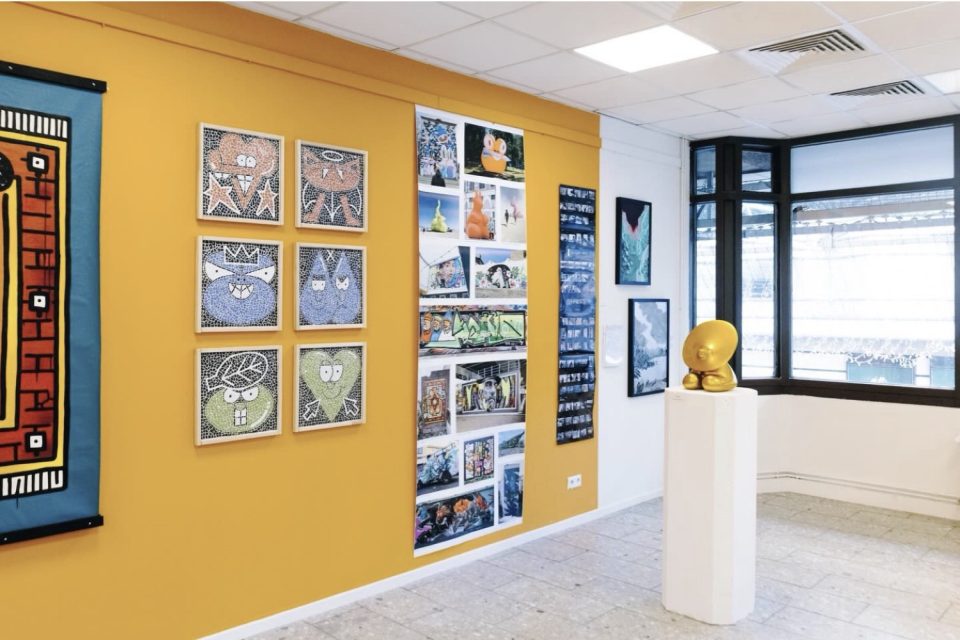
V: What you're saying echoes a recent exhibition you took part in, Dramatis Personae. Projects like this are becoming rare, especially with so many names taking part at once. Tell us more about it.
D: This project showed me that a single thought can grow into something large, that there are like-minded people and they are also ready to act despite the risks. It all started when I saw the place and immediately understood what had to be done. Then came almost two months of setting up, disputes with the housing office, days and nights in the abandoned building, feet pierced by nails, dead pigeons. But the most valuable thing was seeing the burning eyes of people ready to spend their energy and money, go without sleep and create in total darkness for a shared idea, with no budget and no permits.
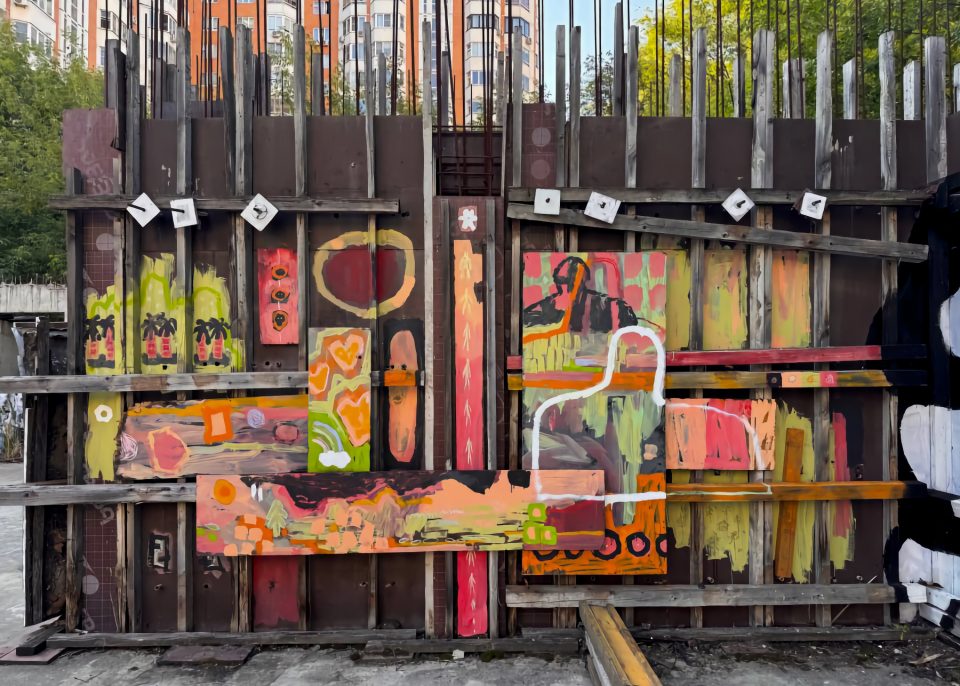
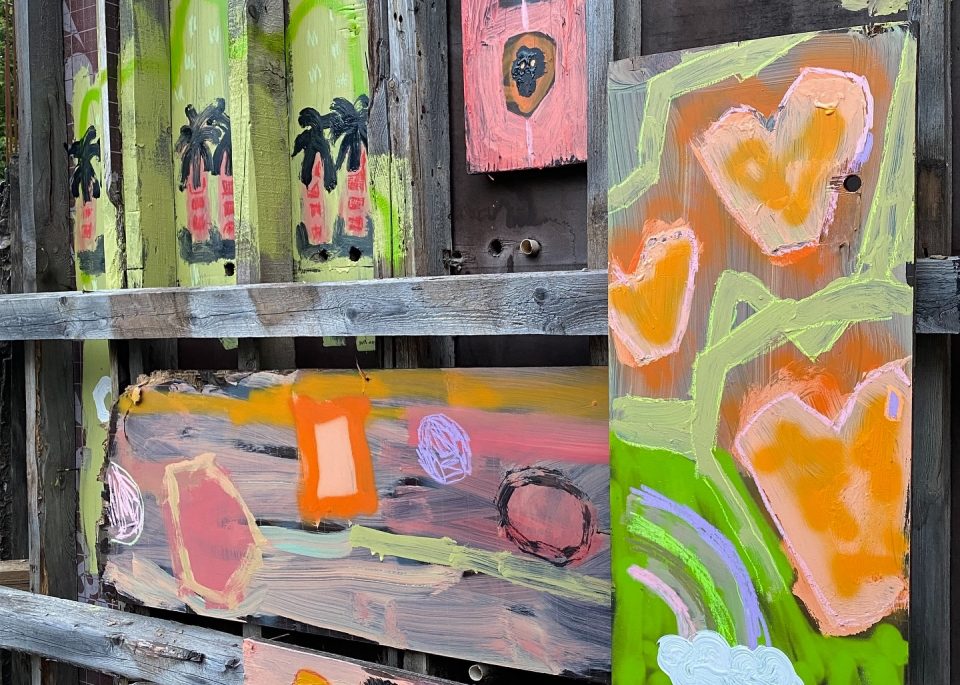
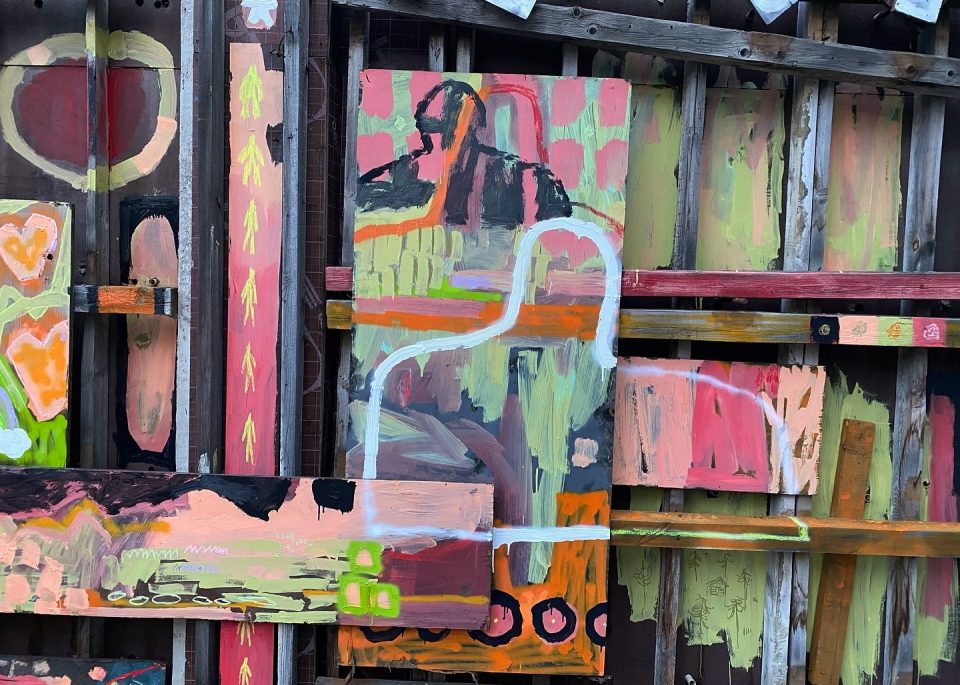
A morning I will always remember: 8 a.m., a very hot sun, the first neighbours peering out of their windows, and we are in full view of them, sleepless and exhausted, shovelling out the abandoned building with the last of our strength, because the opening is in seven hours and there's no other option. I slept a little, came back, and people were already there before the opening; fifteen minutes later a huge crowd of more than a hundred, another thirty minutes and the housing office arrived, another twenty and people in uniform. It all passed in a flash. I can't judge the exhibition objectively, because I lived it almost all summer of 2025.
Thank you to everyone who put their energy into this project and to everyone who supported it, especially my wife, who believed in me when I went to that abandoned building every night.
To be continued.